
Are you worried about paying extra utility bills during winter due to the constant use of heat-producing devices at home?
In Canada, the weather is mostly cold throughout the year, with the temperature dropping below -25° in winter. It means you need to use home-heating devices even more.
Luckily, windows can play a major role in reducing heat loss, which may significantly lower your annual utility bills. But how to maximise home energy savings with windows?
Check the type of windows you have and whether they provide enough heat insulation for your home. If not, then you have to find the right one with the proper elements and replace the existing one. Make sure the window frames are properly sealed with caulking and that the windows are installed correctly.
You can also use window attachments for better heat insulation. But what type of window attachment should you use? Keep reading to get into the details.
Why is Window Energy Efficiency Necessary?
Living in Canada means dealing with extreme weather, so having energy-efficient windows isn’t just nice, it’s necessary. These windows help keep your home cozy, cutting down on the need for constant heating in the winter and cooling in the summer.
Choosing energy-efficient windows saves you money on energy bills and also reduces greenhouse gas emissions, which is good for the planet.
For example, the Westover Companies replaced 514 windows in an office building in Pennsylvania, choosing MI Windows and Doors’ models with triple-pane glass and Low E coatings.
This upgrade made a big difference, keeping temperatures 10 to 15 degrees more comfortable while lowering energy costs.
Another example is the iconic Empire State Building, which underwent a major window upgrade as part of its energy retrofit. This effort cut its energy use by 38%, a huge saving for a large building.
While these are large commercial examples, they demonstrate how impactful energy-efficient windows can be, especially when adapted correctly for residential homes.
If commercial buildings like these see such big improvements with energy-efficient windows, think about what you could save at home. Switching to energy-efficient windows can lead to noticeable reductions in energy costs, depending on your home, climate, and window type, putting hundreds of dollars back in your pocket each year.
Scientific Technologies Behind Energy-Efficient Windows
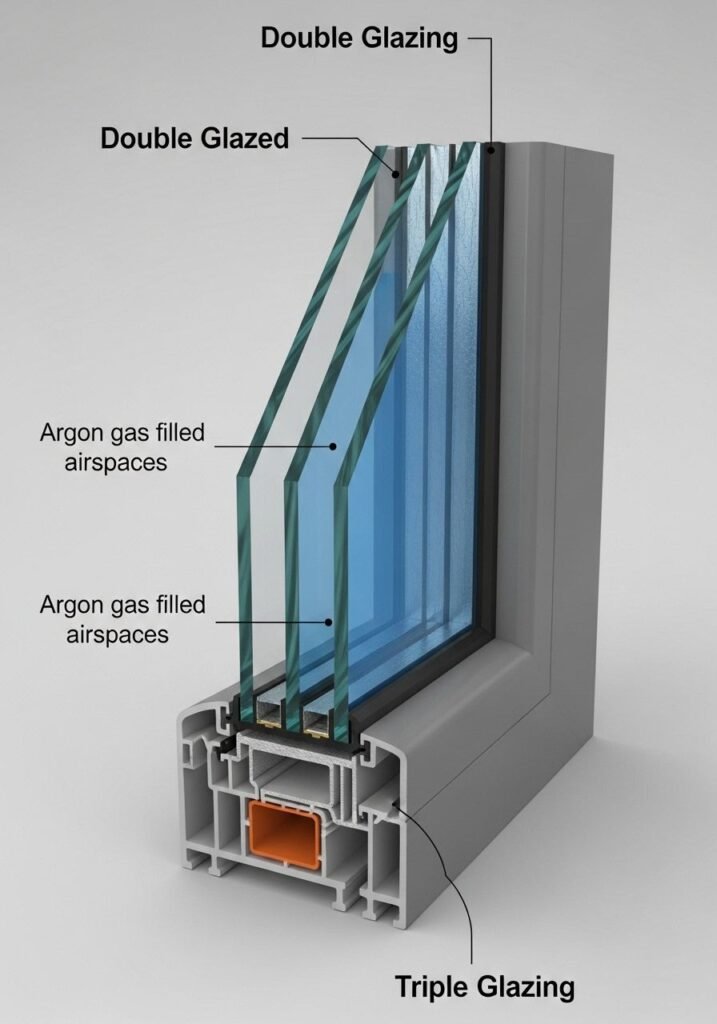
There are some specific elements in the window that trigger the function of the energy-saving facility at home. Some of the elements are
Double and Triple Glazing
What does glazing mean in windows? The word “glazing” generally indicates the number of glass panes in your window, such as double or triple panes. Windows with three panes can reduce heat transfer more effectively than single-pane options. If you’re deciding between the two, our detailed comparison of double vs triple pane windows explains which option delivers better insulation and energy savings for Canadian homes.
It’s estimated that double-pane windows can significantly reduce heat loss compared to single-pane windows, which means triple-glazed windows will offer better insulation. This way, your home remains cool during summer and warm during winter.
When you look for energy-efficient window glass, always check for the Energy Star and NFRC labels.
Low-E Glass
Low-emissivity glass is another notable feature that blocks outside heat and allows light to pass through the panes. It has a thin metal layer that will reflect the infrared light but let the visible light pass through.
This means that in winter, the coating reflects heat back into your home and reduces heat loss. In summer, it reflects heat away, keeping your home interiors cooler and cozy.
Furthermore, you can save up to 12% on energy bills compared to the window without low-E glass.
Argon and Krypton
To increase insulation function, some windows are manufactured with argon or krypton gas between the window panes.
Both of these gases have low thermal conductivity, which helps improve insulation and indoor comfort.
Argon gas is commonly used in double-glazed windows. It’s cost-effective and provides good insulation due to its density, which is six times that of air.
In contrast, triple-glazed windows are mostly constructed with krypton gas, which is more effective than argon. It’s about twelve times denser than air, offering superior insulation, especially in extreme climates.
U-Factor
The U-Factor measures the rate of non-solar heat transfer through a window. It indicates how well the window insulates against heat loss in winter and heat gain in summer.
A lower U-Factor signifies better insulation properties, which means that less heat escapes from the inside of your home during colder months.
U-Factors typically range from 0.20 to 1.20, with lower values being ideal for energy efficiency.
Solar Heat Gain Coefficient (SHGC)
The SHGC measures how much solar radiation passes through a window and blocks heat from sunlight.
A lower SHGC indicates that the windowblocks more solar heat, which is particularly beneficial during warmer months or in sun-exposed regions of Canada.
In contrast, you should look for windows with higher SHGC during winter, as it allows more solar heat to enter the home and keep it warm naturally.
Frame Materials
The frame material of your home’s window is also a crucial element for energy efficiency. For example, fibreglass and vinyl frames offer the best thermal performance to reduce energy consumption.
Wood and composite frames are also popular choices among homeowners for heat insulation, but they need high maintenance and care.
How to Maximize Home Energy Savings with Windows
If you can follow three simple tips, you can easily maximize your home’s energy savings with windows. Here are the tips:
Replace the Old Window
If you want to upgrade your home’s energy efficiency level, you first need to replace the old windows with the right ones.
During winter in Canada, you should look for double or triple-pane windows with low-E glass, low u-factor, and high SHGC for more solar heat.
This type of window will block the chilling heat and hold the existing warm air in. On the other hand, you can change windows with lower SHGC elements to keep your home temperature cool by blocking solar heat.
Proper Installation
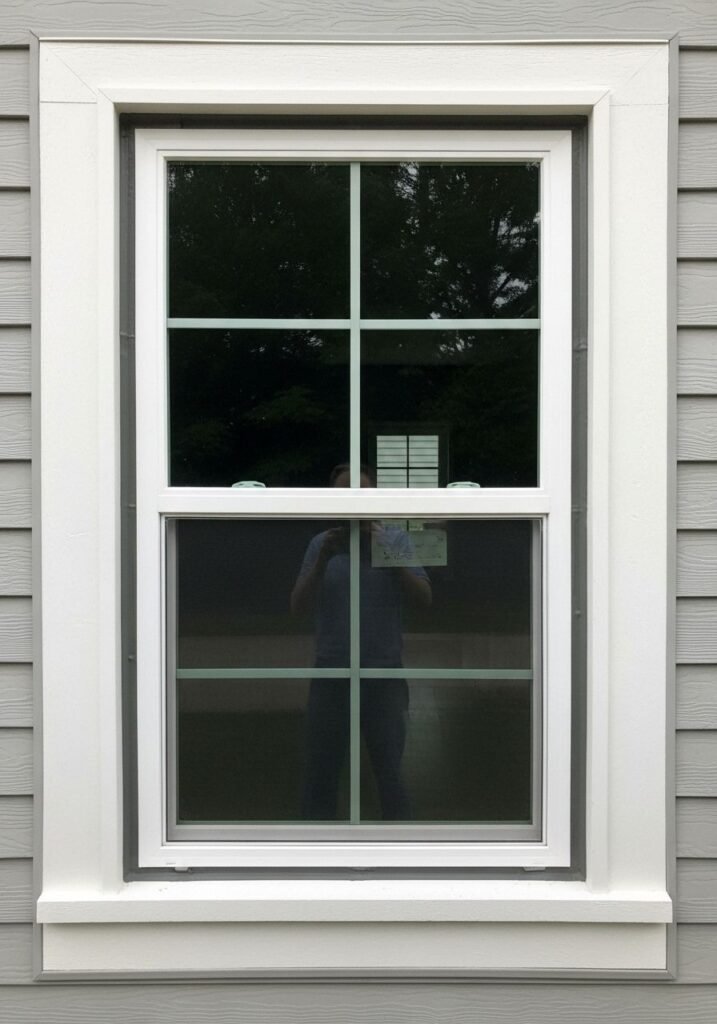
This is the game-changing tip! Even if you change your old windows with the right ones, your home won’t become energy efficient without proper window installation.
Misalignment, inadequate sealing, and gaps between the window and frame are common blunders. Therefore, you must ensure the window is installed properly and the frames are in good condition.
Frame caulking is crucial to ensure the frame’s functionality. Proper caulking helps prevent moisture damage, air leaks, and dust buildup around the window frame. As a result, the frame will help the glass improve heat insulation while keeping the indoors cozy and comfy.
If you need professional help installing Windows correctly, contact NUVO to schedule a time. Working with experienced professionals helps ensure proper installation, airtight sealing, and long-term energy performance.
Use Additional Window Attachment
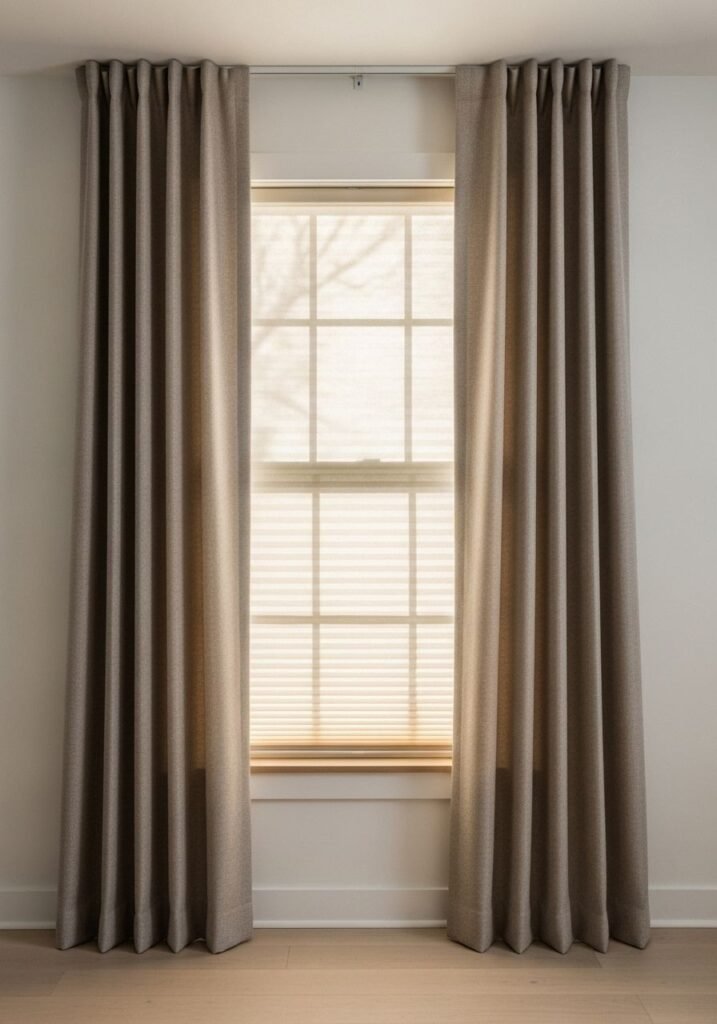
There are lots of window attachments or treatments that’ll maximize the energy-saving functions effectively. You can find both interior and exterior window attachments, such as:
For interior window attachment
- Thermal curtain
- Roller, cellular, roman, or pleated shades
- Blinds
- Storm windows
For exterior window attachment
- Shutters
- Exterior window shades
- Awnings
- Solar screen
- Glass films
Conclusion
In short, how can you maximize energy savings with your windows? Start by choosing the right windows with key features like Low-E glass, a low U-factor, gas fills, multiple panes, a low SHGC, and the Energy Star label.
Energy-efficient windows aren’t just about cutting down on your utility bills; they’re also about making your home feel more comfortable all year round. Think about the climate where you live, and pick windows that fit your area’s needs.
This way, you’ll enjoy a cozier home and keep more money in your pocket.